Splash screen
/SPLASH SKREEN/ · noun · FEEDBACK pattern · #113
The screen that fills the display for a moment while an app starts — usually its icon or logo on a plain background — before the first real screen appears. Apple calls it the launch screen. It should cover loading time, not add a delay of its own.
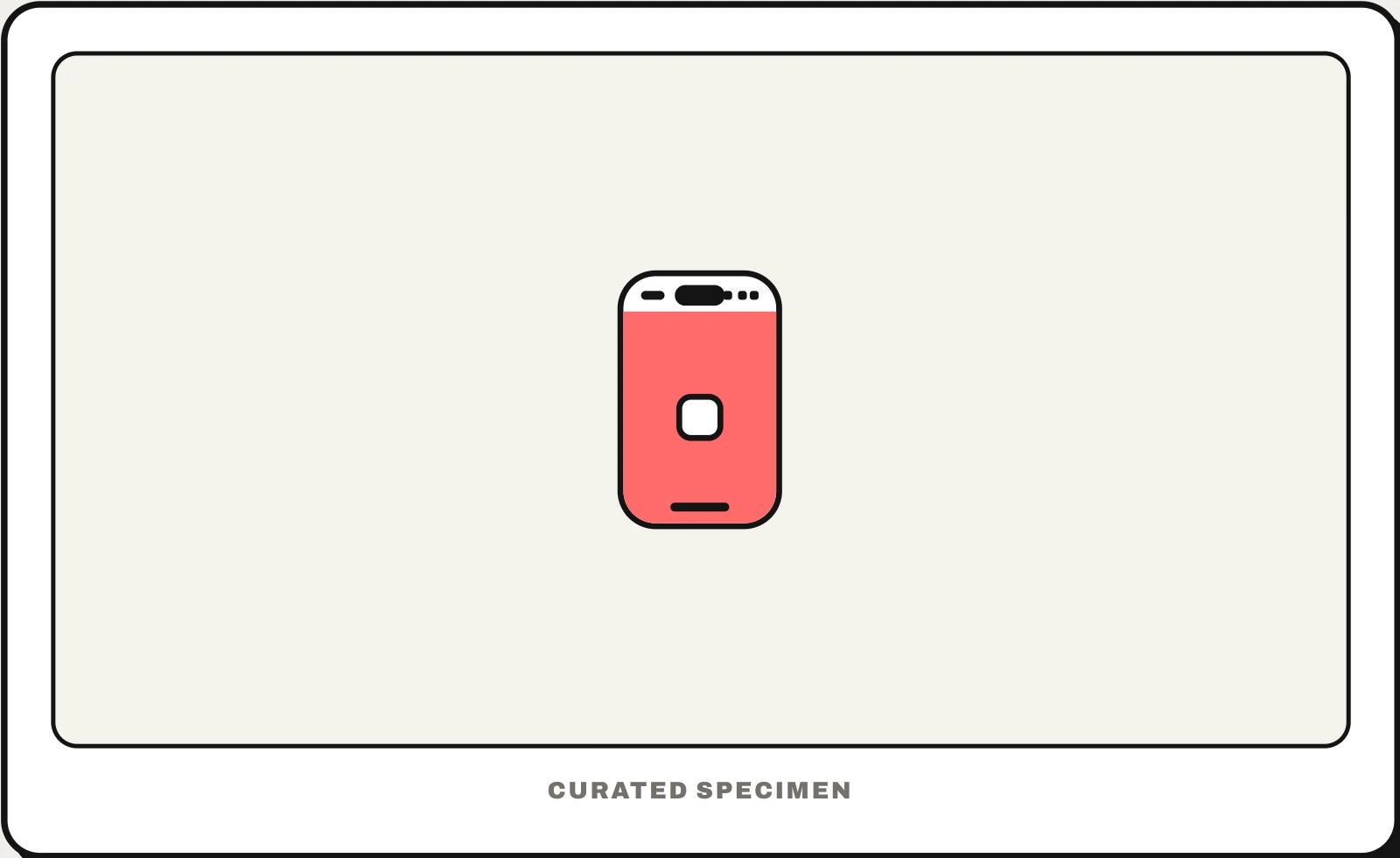
Also called: launch screen, loading screen, startup screen, app launch screen.
You might call it
- “the logo screen when an app opens”
- “the loading screen when an app starts”
- “the first screen with the app icon”
- “the intro screen before the app loads”
…its name is Splash screen.
Common questions
What is a splash screen?
The first screen you see while an app or game starts: usually its logo or icon on a plain colour, shown for a second or two while the app loads. Every app gets one on Android 12 and later; on iPhone it is called the launch screen. Games and desktop programs use splash screens too, often with a progress bar.
Splash screen vs onboarding: what is the difference?
A splash screen appears every time the app starts and only covers loading. Onboarding is a short series of screens shown the first time you use an app to explain what it does or to ask for permissions; you can usually skip it, and it does not come back.
In code
| Android 12+ | SplashScreen windowSplashScreenAnimatedIcon |
|---|---|
| AndroidX | installSplashScreen() setKeepOnScreenCondition() |
| iOS | UILaunchScreen LaunchScreen.storyboard |
| Web app manifest | background_color icons Android builds an installed web app’s splash screen from these |
| Flutter | Set in the Android and iOS projects; it stays until Flutter draws its first frame |
Prompt for your AI coding tool
Set up this app’s splash screen the platform way: on Android 12 and later use the SplashScreen API with the app icon on a background colour that matches the first screen, kept up only until the first data is ready; on iOS use a launch screen that looks like a blank first screen, with no text. No minimum display time, no ads, and no splash at all when the app returns from the background.
More UI words to use when vibe coding →